Insight Preview
What HR Leaders Should Actually Demand
The first two articles in this series separated AI theater from actual capability evaluation. This last piece is about what to do with that understanding once you are in a buying process.
If you are evaluating hiring technology, or revisiting technology you already bought, there are a handful of questions that cut through a polished demo faster than almost anything else.
The questions that cut through the demo
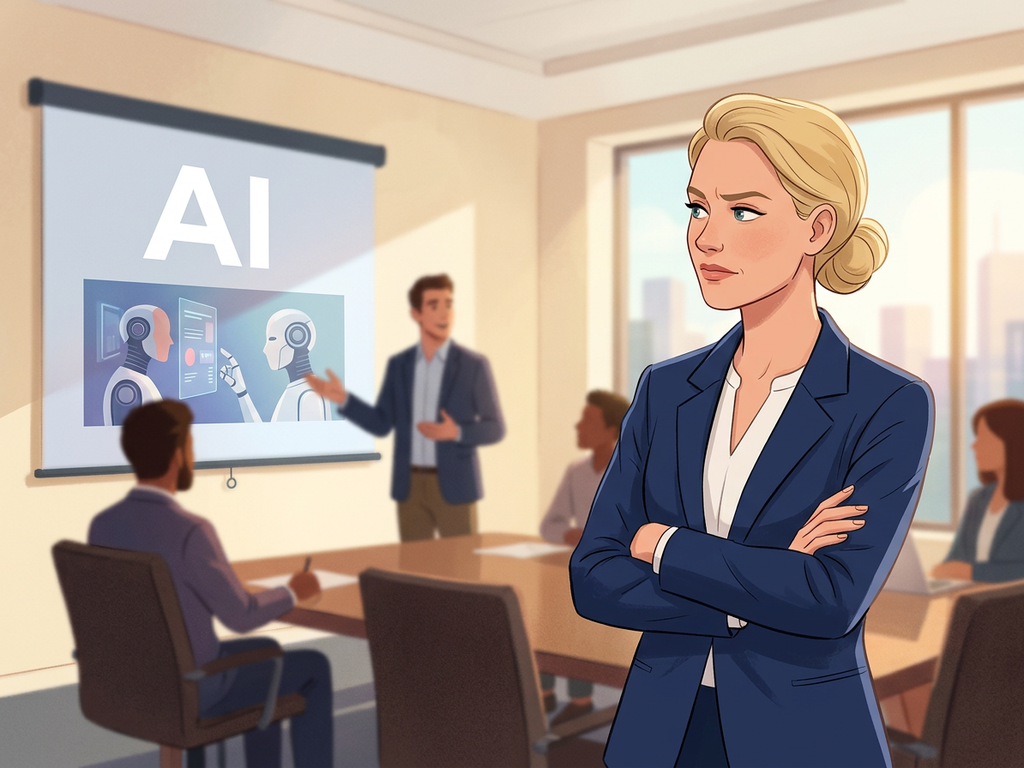
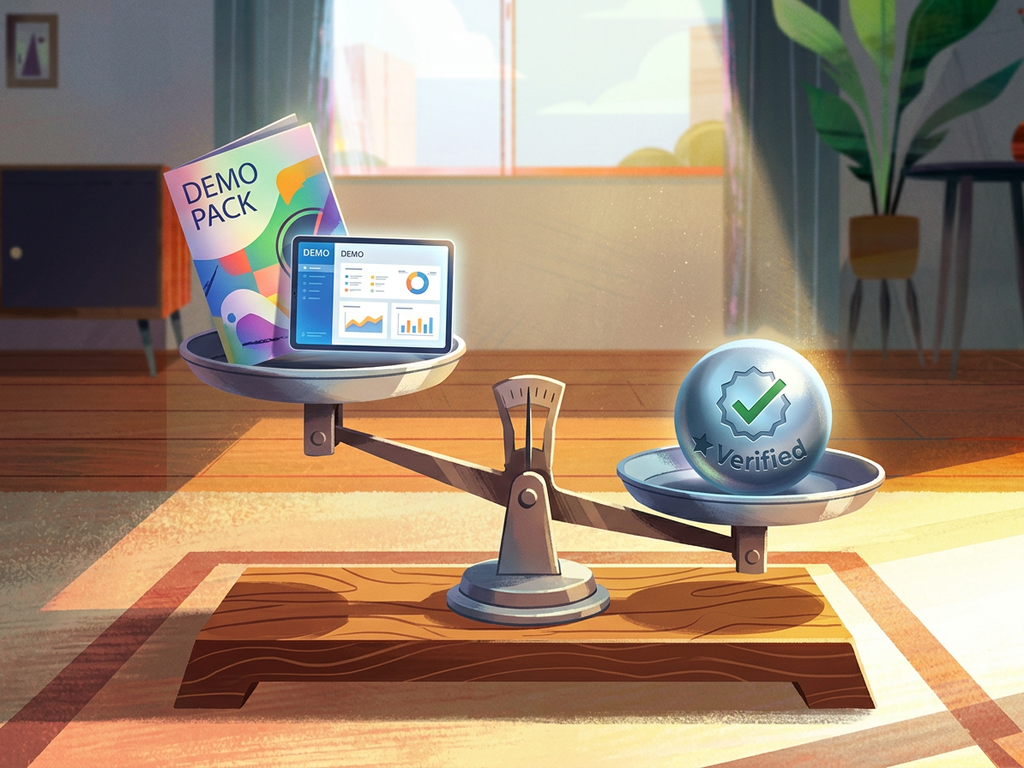
The clean interface and confident explanations in a vendor demo tell you very little about what the system is actually doing or whether it will improve hiring outcomes.
Start with the signal question: what signals are you evaluating, and how were they selected? If the answer centers on keywords, credential matching, or AI-assisted resume parsing, you are looking at a smarter wrapper on the same old process.
Then ask about organizational specificity. If a vendor cannot explain how the model adapts to your industry, your roles, and your environment, they are applying a generalist system to a specific context and calling it intelligence.
Ask for proof that the system predicts performance rather than simply increasing hire rate, and ask the vendor to explain why a top-ranked candidate was ranked first in specific, auditable terms.

The integration question most buyers get wrong
Enterprise buyers often evaluate hiring technology as if it lives outside the rest of the HR stack. That is a mistake, and vendors sometimes benefit when buyers make it.
The deepest value usually does not come from replacing the ATS or HRIS. It comes from making those systems smarter by learning from the workforce data you have already accumulated: who was hired, who performed, who stayed, and who left.
A tool that cannot integrate with existing systems or learn from existing organizational data is forced to rely on generic patterns that may not reflect your reality at all.
The better question is not whether to throw out the stack. It is how to apply better intelligence to the workflows and evidence you already own.

What fair AI actually requires
Bias reduction in hiring AI is not a feature flag. It is an outcome of what signals a system evaluates and what data it was trained on.
A system trained on biased historical hiring data will reproduce those patterns and present them as intelligence. That is not theoretical. It is the default when machine learning is applied to the past without questioning whether the past deserved to be repeated.
Fairer systems require a deliberate choice to evaluate signals validated against performance rather than signals merely correlated with prior hiring decisions. They also require monitoring outcomes across demographic groups and making the weighting of signals visible enough to inspect.
For HR leaders concerned about ethics, compliance, or both, that level of transparency should be the starting requirement rather than a premium add-on.
A framework for the decision
A practical buying framework starts with signal quality: what is this system actually measuring, and is there evidence it predicts performance rather than mirroring prior hires?
Next ask whether the model understands your operating context or whether it is still making generic predictions with impressive technology layered on top.
Finally, move the discussion away from feature checklists and back toward outcomes. What happened for organizations like yours, in roles like yours, after adoption? Reference customers with comparable use cases matter more than a polished walkthrough.
The HR leaders who avoid another expensive buying mistake are the ones who understand the difference now between sophisticated automation and real performance intelligence.
Conclusion
- Strong HR buyers ask for signal clarity, explainability, organizational specificity, and proof tied to outcomes rather than demo confidence.
- The right system makes your existing hiring stack smarter. It does not just market the same old workflow with more impressive language.
References
- 1. Harvard Business School and Accenture. Hidden Workers: Untapped Talent. https://www.hbs.edu/managing-the-future-of-work/Documents/research/hiddenworkers09032021.pdf
- 2. Harvard Business School Working Knowledge. How to Tap the Talent Automated HR Platforms Miss. https://www.library.hbs.edu/working-knowledge/how-to-tap-the-talent-automated-hr-platforms-miss
Content pillars