
Insight Preview
Skills-Based Hiring Is Here
The resume has been the default currency of hiring for decades. A one-page summary of titles, dates, and bullet points, expected to capture the full complexity of a person's career, potential, and working style.
But the way companies hire is changing fast. Skills-based hiring evaluating candidates on what they can actually do rather than where they've been is now the dominant approach among forward-thinking employers. The tools, however, haven't fully caught up.
At Professional.me, we believe the solution isn't just a better resume. It's a fundamentally different kind of candidate profile, one built for how modern hiring actually works.
What Is Skills-Based Hiring and Why Does It Matter?
Skills-based hiring is a recruitment approach that prioritizes a candidate's demonstrated abilities and competencies over traditional credentials like degrees, job titles, or years of experience. Instead of asking "where did you work?" it asks "what can you do, and how do you do it?"
The shift is well underway. According to TestGorilla's 2025 State of Skills-Based Hiring report, 85% of employers now use skills-based hiring methods, up from 81% the previous year. At the same time, the share of employers relying on resume screening has dropped from 73% to 67% in a single year. The direction is clear: skills signal competence more reliably than credentials do.
Why the Resume Still Falls Short
Despite the momentum behind skills-based hiring, the traditional resume remains the first filter in most hiring pipelines. And that creates a real problem.
Resumes were designed to list what someone has done, not how they think, collaborate, or grow. They penalize career breaks and non-traditional paths, hide soft skills and adaptability, and are built to satisfy keyword-matching algorithms rather than inform genuine human judgment. According to Jobscan, approximately 97% of Fortune 500 companies use applicant tracking systems to screen resumes by keyword before a human reviewer ever sees them. A candidate's opportunity can be decided by a machine before a person has weighed in at all.
The result is a system that favors polish over potential, and that systematically filters out candidates from non-traditional backgrounds, career switchers, and self-taught professionals who may be exactly the right hire.
What a Rich Candidate Profile Does Differently
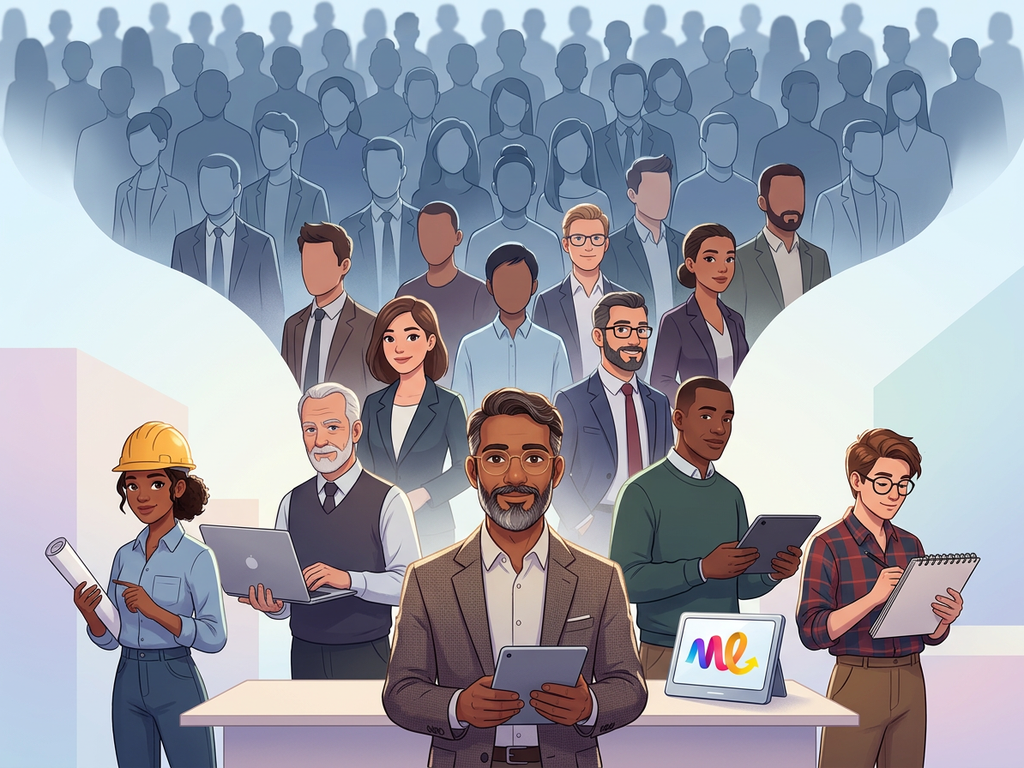
Professional.me is built on the premise that hiring should be based on insight, not just information. A rich professional profile surfaces what a resume cannot: work style and communication preferences, problem-solving approach, career intent, collaboration history, and verified achievements that update in real time.
The shift this enables is meaningful. Rather than asking "what have you done?" the hiring conversation becomes "how do you operate?" That distinction matters enormously when building teams that need to collaborate, adapt, and perform under pressure. Research from TestGorilla also shows that 72% of employers and 82% of job seekers agree that considering the whole candidate, including skills, personality, and cultural alignment, leads to better hiring decisions and outcomes.
Context Over Credentials
Credentials can open doors, but context keeps them open. A candidate's ability to learn, adapt, and contribute meaningfully to a team often matters far more than the institution they attended or the title they last held. Yet traditional resumes rarely capture the "why" behind a career move, the nuance of cross-functional work, or the resilience demonstrated during a difficult period.
This is where talent intelligence platforms like Professional.me make a measurable difference, giving hiring managers a fuller picture and giving candidates from all backgrounds a fairer shot at being seen before they are screened out.
The Human Cost of Outdated Hiring Tools
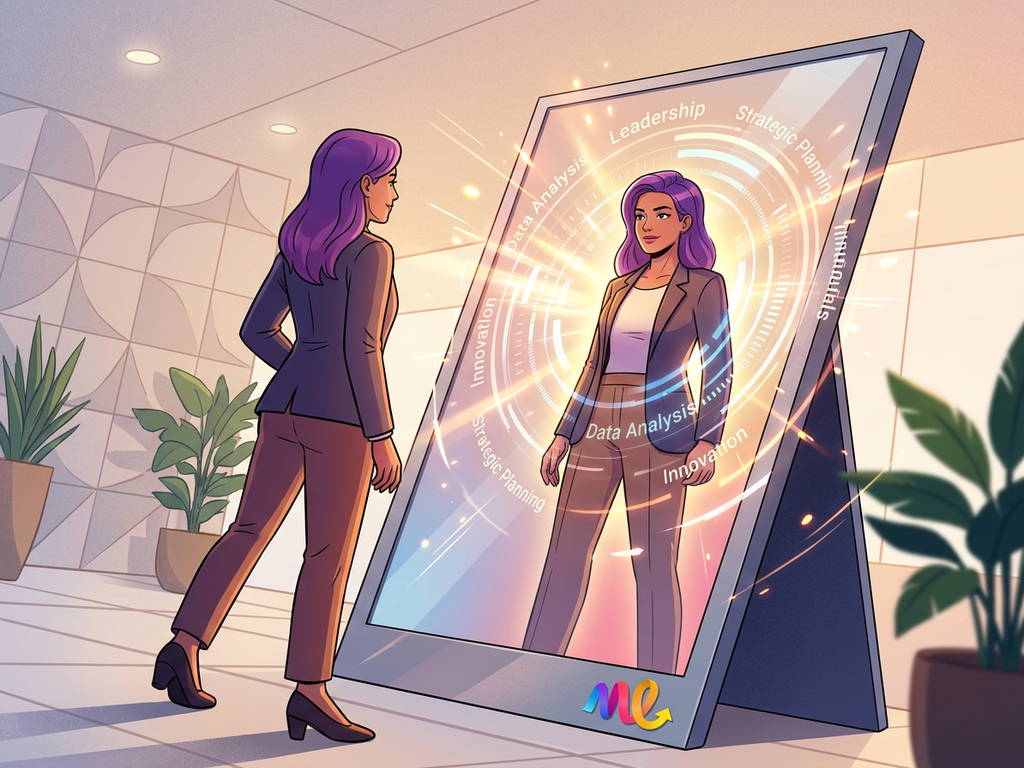
When hiring relies too heavily on resume screening, the costs are not just operational. Candidates from underrepresented backgrounds, those with non-linear careers, and professionals who have reskilled or pivoted are often filtered out before anyone has evaluated their actual ability to do the job.
Skills-based hiring, supported by rich candidate profiles, directly addresses this. By shifting evaluation to demonstrated competencies rather than credential proxies, organizations access a broader, more diverse talent pool and make better, more confident hiring decisions.
Conclusion
- The resume is not going away. But it should not be the sole gatekeeper of opportunity in a world where skills, adaptability, and working style matter more than ever. Hiring that is holistic, contextual, and grounded in real candidate insight is not just more equitable it produces better outcomes for everyone involved.
- That is the future Professional.me is building, one profile at a time.
Content pillars