Insight Preview
Ethical AI Hiring
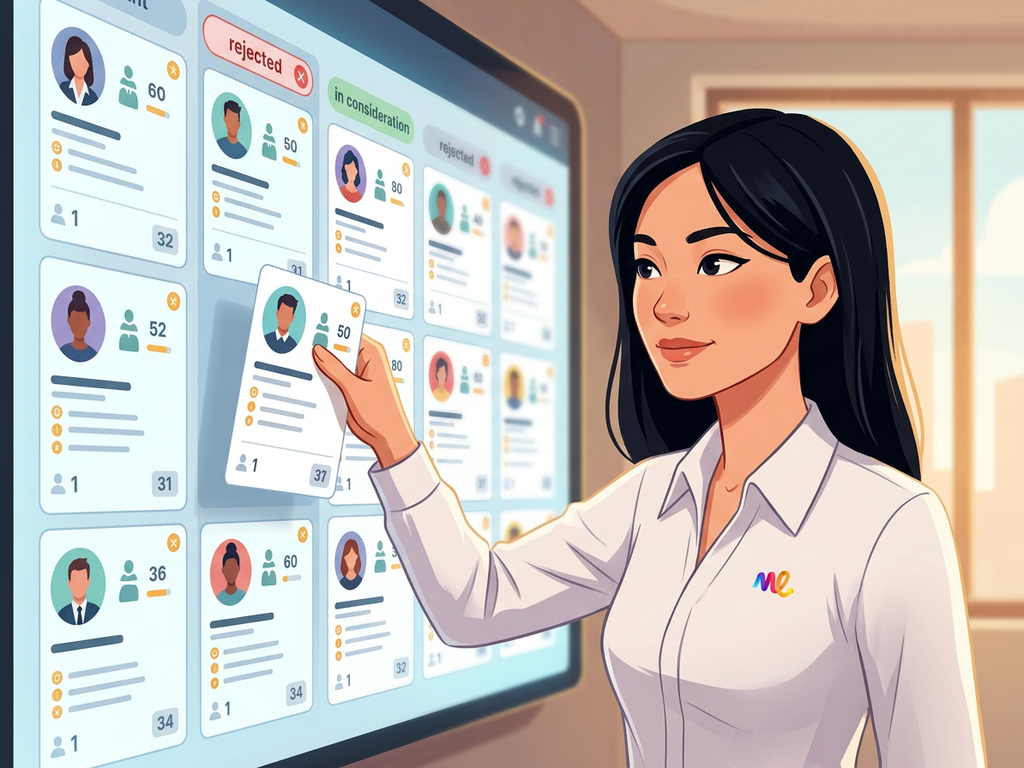
AI-powered hiring is no longer a future concept. HR teams around the world are using automated tools to screen resumes, shortlist candidates, and conduct early-stage interviews.
But speed and scale come with risk. When AI systems are trained on biased historical data, they do not just replicate inequity. They automate it at volume.
Ethical AI hiring requires more than good intentions. Fairness, transparency, and human oversight must be built into how these tools are selected, deployed, and monitored.
What Is Ethical AI Hiring?
Ethical AI hiring means using automated recruitment tools in ways that are fair, explainable, and subject to human review. According to the Equal Employment Opportunity Commission (EEOC), fair employment practice requires consistent treatment across gender, ethnicity, disability, and age. Ethical AI hiring applies that standard to every stage of the automated recruitment process.
Does AI Hiring Have a Bias Problem?
Yes. AI is only as unbiased as the data it learns from, and that data is often shaped by historical inequities.
A widely cited 2018 Reuters investigation found that an Amazon AI recruiting tool systematically downgraded resumes containing the word "women's," including phrases such as "women's chess club captain." The tool had been trained on a decade of resumes submitted predominantly by men in the technology industry.¹
A 2021 study in *Nature Machine Intelligence* analyzed 57 facial recognition systems and found that most exhibited racial and gender bias, disproportionately misidentifying darker-skinned individuals and women.²
Bias in AI hiring tools does not just affect individual candidates. It actively undermines organizational diversity goals and creates long-term reputational and legal exposure for employers.

How Can Organizations Make AI Hiring Fairer and More Transparent?
Fairness in AI hiring starts with transparency. Most AI hiring vendors still operate on a "black box" model, where the decision-making logic is proprietary and opaque. A 2023 Harvard Business Review article found that many employers do not understand how their AI hiring tools work, let alone how to audit them for bias.³
Organizations can take concrete steps to address this:
- Demand explainable AI from vendors before purchasing or renewing contracts.
- Conduct regular bias audits, applying the same rigor used for financial or legal compliance.
- Use established frameworks such as IBM's AI Fairness 360 toolkit or Google's What-If Tool to test outputs across demographic groups.
Why Is Human Oversight Essential in AI Recruiting?
AI can efficiently handle early-stage filtering, but it cannot reliably interpret the nuance that distinguishes compelling candidates: career breaks, non-traditional backgrounds, or growth trajectories that fall outside its training data.
The World Economic Forum's 2022 "Responsible Use of Technology" report recommends that organizations embed formal ethics reviews and human-in-the-loop systems. The goal is to prevent automated processes from removing empathy and contextual judgment from hiring decisions.⁴
Human oversight is not a workaround for AI limitations. It is a structural requirement for responsible deployment.

Who Is Responsible for Ethical AI in Hiring?
Ethical AI hiring is a collective responsibility, not solely the obligation of technology vendors. HR leaders, legal teams, procurement functions, and senior executives all play a role in defining and enforcing standards.
Regulation is catching up. The EU AI Act and the U.S. Algorithmic Accountability Act both address automated decision-making in employment contexts. But organizations do not need to wait for legislation to act. Asking the right questions at the procurement stage, building audit processes into HR operations, and maintaining active cross-functional dialogue are practical starting points available to any organization today.
Conclusion
- AI hiring holds real promise: faster screening, greater consistency, and broader reach. These benefits only hold, however, if the underlying systems are fair, transparent, and overseen by people equipped to recognize what the algorithm cannot.
- The organizations that get this right will not just avoid risk. They will build hiring practices that are genuinely better for everyone involved.
References
- 1. Dastin, J. (2018). Amazon scrapped 'sexist AI' recruiting tool. *Reuters.* Link (https://www.reuters.com)
- 2. Buolamwini, J., & Gebru, T. (2021). Gender Shades: Intersectional Accuracy Disparities in Commercial Gender Classification. *Nature Machine Intelligence.*
- 3. Raji, I. D., & Buolamwini, J. (2023). How to Audit AI Hiring Tools for Bias. *Harvard Business Review.* Link (https://hbr.org)
- 4. World Economic Forum. (2022). Responsible Use of Technology. Link (https://www.weforum.org)
Content pillars