Insight Preview
Automation Made Hiring Faster
Automation has transformed the hiring process. From AI-powered resume screening to automated interview scheduling, it has made recruiting faster, more scalable, and on paper more efficient for HR teams and talent acquisition professionals worldwide.
But for job seekers, the candidate experience often feels cold, confusing, and deeply impersonal.
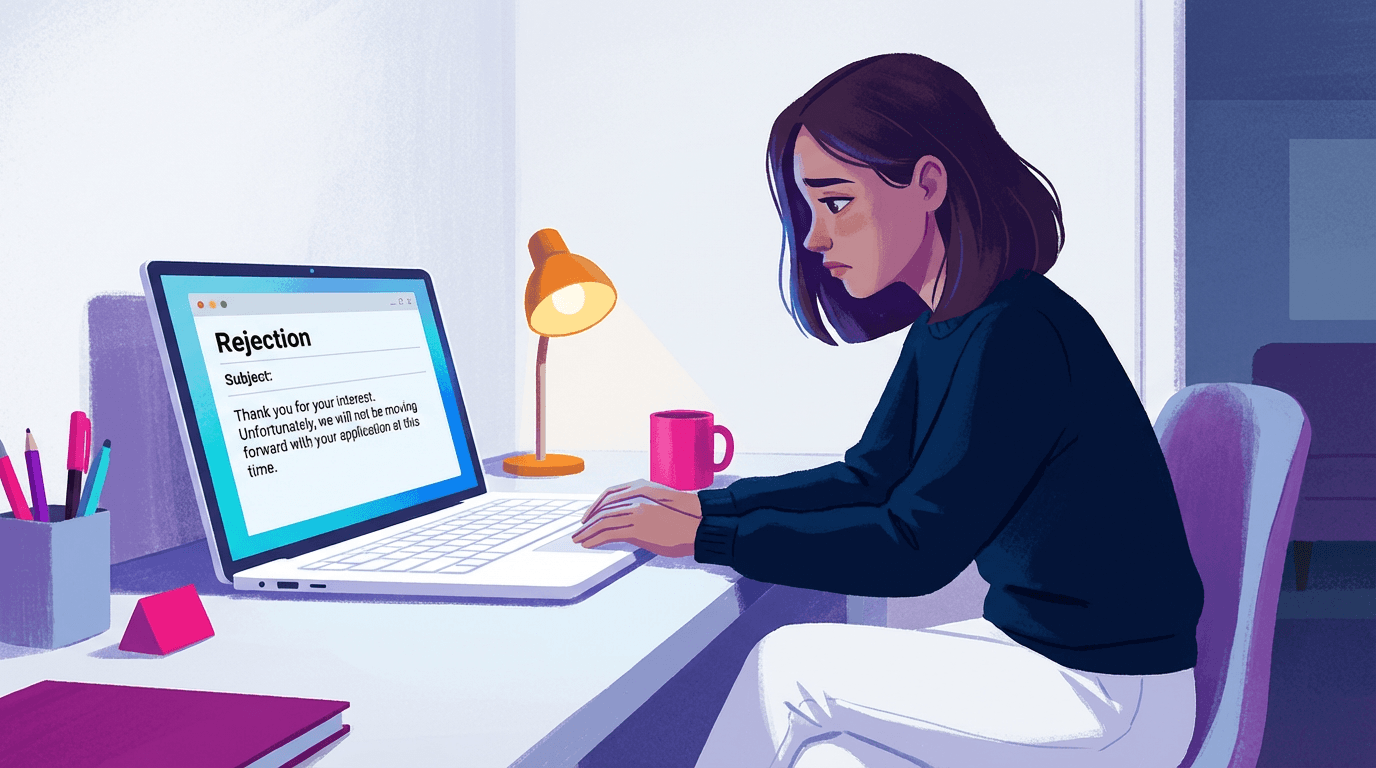
When a candidate spends hours tailoring their job application only to receive a generic rejection or worse, no response at all, it is not just disappointing. It is demoralising. For organisations investing in employer brand and long-term talent pipeline development, it is also a measurable business risk.
The Disconnect Between Hiring Efficiency and Candidate Experience
Automated recruitment systems are designed to streamline workflows and reduce time-to-hire. But in optimising for speed, they often strip away the human touch that makes the hiring process feel fair and respectful to candidates.
Common pain points reported by job seekers include instant rejections with no explanation, no acknowledgment of effort or interest, vague or absent application status updates, and chatbots that answer scripted questions without genuinely responding to candidate concerns.
A 2025 survey by CareerSignals found that 68% of job seekers felt dismissed or invisible during automated hiring processes.¹ For companies focused on talent acquisition, workforce planning, and building a strong employer brand, that is not just a user experience issue. It is a reputational one.
Recruitment Automation Should Enhance Human Connection, Not Replace It
At Professional.me, we believe recruitment automation should serve people, not sideline them. That means designing talent acquisition systems that acknowledge applications with warmth and clarity, provide meaningful feedback even when brief, invite continued candidate engagement rather than closing the door, and reflect company values at every stage of the hiring journey.
Every candidate who applies is a potential brand ambassador, a future customer, or a referral source. How organisations treat applicants during the recruitment process shapes perception long after the job is filled. Candidate experience is a core component of employer brand strategy, and automated systems need to be built with that in mind.

Respectful Rejection Is a Competitive Advantage
Not every candidate will be the right fit for a role. But rejection can still be respectful, and in competitive talent markets across the MENA region, North America, and globally, how companies say no matters as much as how they say yes.
A thoughtful rejection message builds trust, encourages candidates to apply for future roles, and increases the likelihood of positive word-of-mouth. Respectful hiring automation includes personalised messaging tailored to the role or application stage, clear guidance on next steps or alternative opportunities, an invitation to join a talent community or pool for future consideration, and a tone that reflects genuine human care rather than automated indifference.
Candidate-first communication is not about writing lengthy responses. It is about writing with intention.
Designing Hiring Systems for Candidate Dignity
The future of talent acquisition is not only about smarter technology. It is about building kinder systems. The organisations leading in recruitment innovation are those that balance automation with empathy, speed with transparency, and operational scale with genuine human respect.
AI-powered hiring platforms that are built with candidate dignity at their core do not just improve candidate experience scores. They reduce drop-off rates, strengthen talent pipelines, and contribute directly to long-term workforce planning outcomes.
Rejection should not feel like abandonment. It should feel like a conversation, one that leaves candidates with a positive impression of your organisation regardless of the outcome.

Conclusion
- The tools organisations choose to build and deploy shape the experiences candidates carry long after the hiring process ends. Companies that invest in candidate-first automation do not just hire better. They build stronger employer brands, more engaged talent communities, and more resilient hiring pipelines.
- The question is not whether to automate recruitment. It is whether your automation reflects the values your organisation claims to stand for.
Content pillars